Sponsored Content: Planet DDS
Artificial intelligence is no longer a nice-to-have; it is rapidly becoming the foundation of a new operating model for DSOs and group practices. In 2026, AI will touch every part of the dental enterprise: patient care, operations, revenue cycle, workforce planning, and even enterprise strategy. The question for group owners is no longer if AI will transform their organizations, but how prepared will they be when it does?
Transforming Data into Action
Dentistry finds itself at a rare inflection point. The industry faces tightening margins from labor shortages, rising supply costs, and payer pressure, yet sits on one of healthcares richest data ecosystems. Millions of claims, imaging files, and treatment plans generate vast potential for AI innovation. AI is shifting from standalone tools into an orchestrated system of agents designed to automate efficiently, advise intelligently, and, eventually, act autonomously within a specified framework.
Embedding AI into Workflows
In other industries, organizations are embedding AI into workflows and tying every use case back to EBITDA protection, margin expansion, and operational resilience. The same is now true in dentistry.
Nathan James, SVP of Product Development at Planet DDS, describes the shift to an AI-first model that sets the standard for future dental operations.
Instead of bolting on solutions, AI needs to be fully integrated into critical operations, patient engagement, revenue cycle management, imaging, and workflows, James said.
The New AI Workforce
In 2026, AI agents will be able to coordinate and operate across platforms, creating end-to-end automation for critical functions.
- Scheduling agents fill open chair time and reduce no-shows.
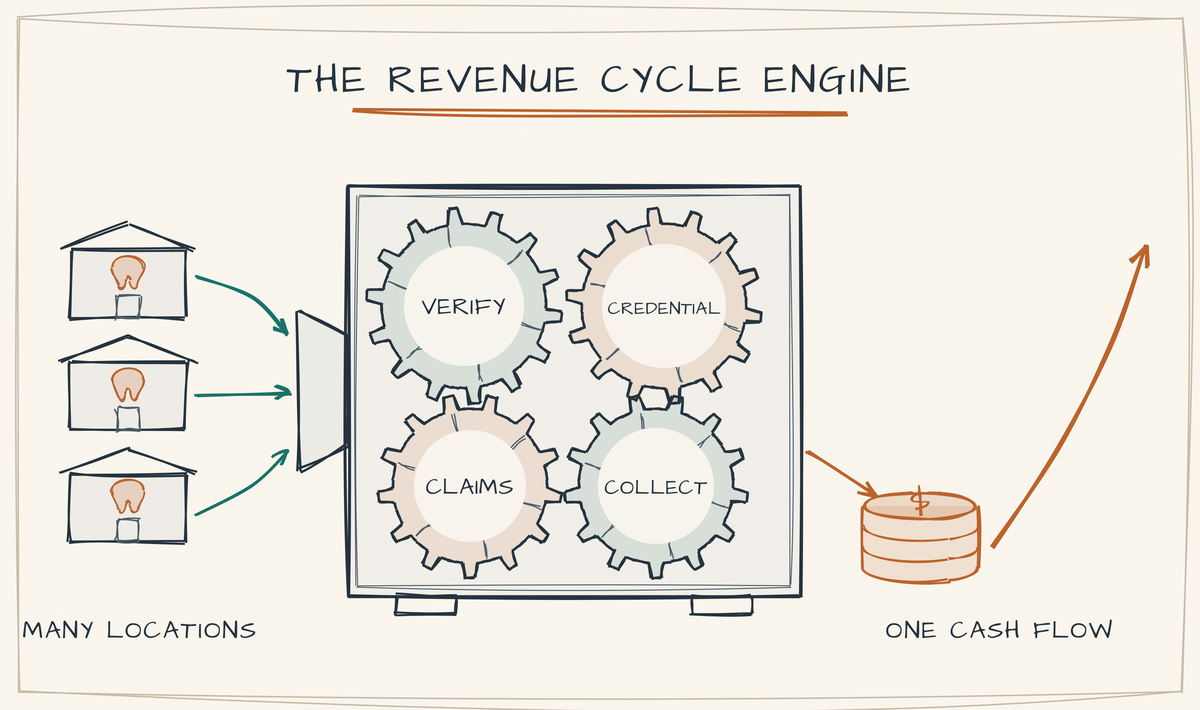
- RCM agents tackle eligibility, claim submissions, payment reconciliation, and follow-ups.
- Communication agents reactivate overdue patients via SMS and email.
- Clinical support agents assist providers with diagnostics and documentation.
These AI agents wont replace staff; they will remove the administrative burden that limits providers and front-office teams. For multi-site groups, even marginal gains from these automations compound into millions in EBITDA protection.
Gaining an EBITDA Advantage
The AI shift is already under way, and the economic impact of AI is becoming clearer. AI strengthens very part of the EBITDA equation from creating labor efficiency by automating repetitive work to creating top-line growth by boosting treatment acceptance and reducing no shows.
AI modernization adds enterprise value, especially as fragmented systems are replaced with a single operating system that provides real-time visibility into data and trends.
Leading the Next Generation of Dentistry
The technology will only continue to improve. Its already advanced from automating repetitive tasks like claim attachments and appointment reminders, to delivering predictive insights into patient behavior, production opportunities, and provider performance.
Now AI models are expanding to operate autonomously, from optimizing schedules to pursuing unpaid claims to dynamically managing staffing.
Preparing for 2026
AI is no longer a tool. It is a leadership decision.
Whether theyre leading one practice or 1,000, leaders want to see measurable results, from filling chairs more predictively, to collecting payment faster, to onboarding staff more efficiently, said Rahul Khot, VP of AI & Innovation at Planet DDS.
Dental leaders can take these steps now to position themselves for success:
- Standardize technology platforms: AI cannot thrive in silos.
- Embed AI into processes: Tie initiatives to KPIs such as A/R days, no-show rates, hygiene reactivation, and case acceptance.
- Invest in adoption and trust: Train teams to work with AI, not around it.
- Create an AI governance council: Assign accountability across clinical, operational, and IT leadership.
Dental groups that modernize infrastructure, embed AI agents, and prepare their workforce will lead the next generation of dentistry. Download The New AI Operating Model for DSOs and Dental Groups now to learn more about how leading dental groups are applying AI to enhance operations.

Share this post