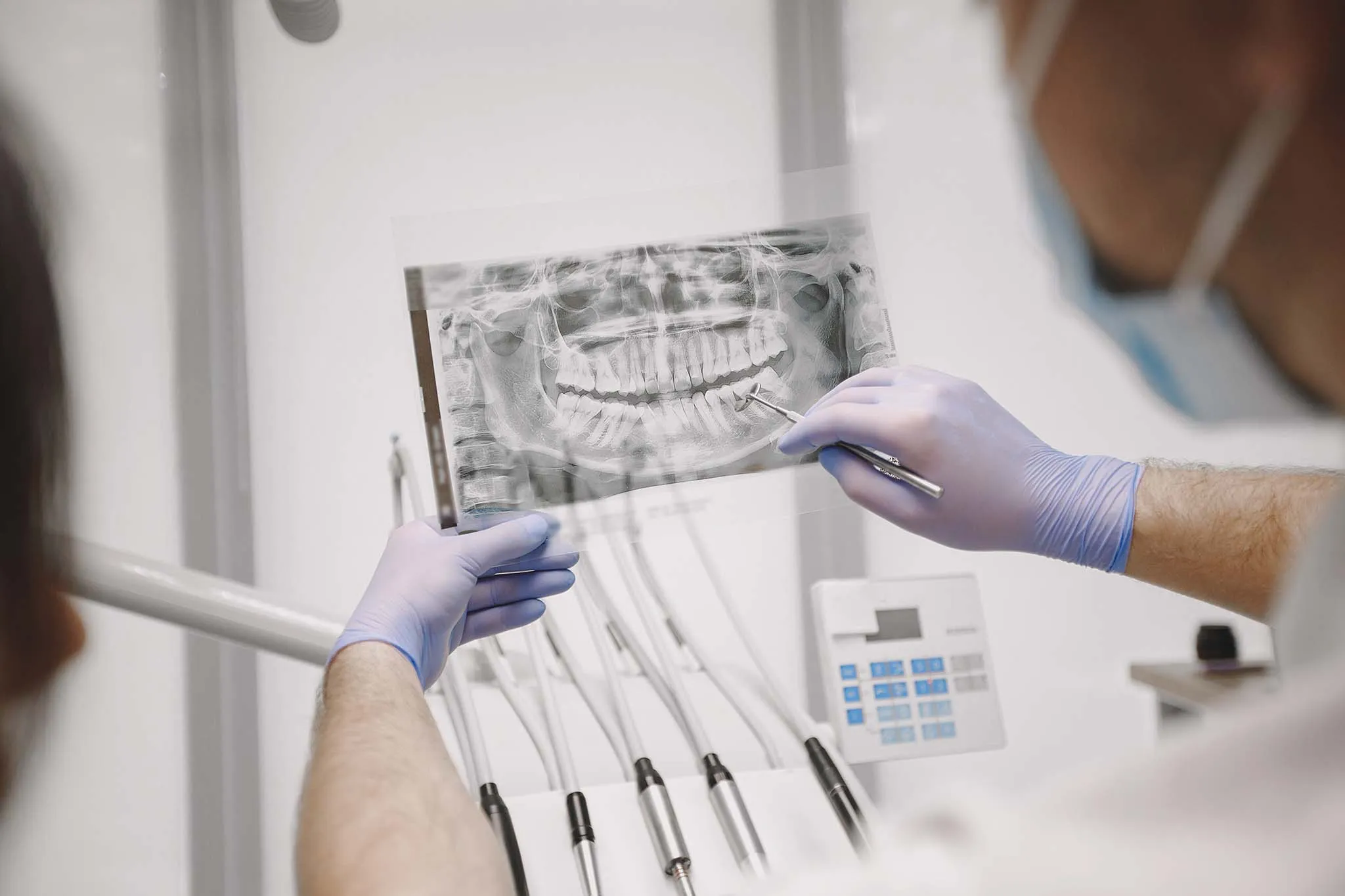
By Laura Thill Ivoclar Vivadent delivers value to DSO members. The digitization of dental technology has opened doors for increasingly sophisticated equipment and products, and dentists are finding they are able to provide higher quality care and a better patient experience than ever before. A surge in new technology, however, requires additional training for dentists and their staff to ensure they use new equipment properly, and that they and their patients fully benefit from its value. Digital, digital, digital The digitization of dentistry has brought several technologies to the forefront, according to Dr. Michael Gaglio, TITLE, Ivoclar Vivadent. Enterprise solutions and office management systems have become a technological must, he says. These systems must be able to handle all aspects of a dental practice, as well as all digital assets in a group dental practice. This is especially true for larger group practices, he notes. In addition, two-dimensional imaging has given way to three-dimensional imaging. 3D imaging today is used for both diagnostic and restorative dentistry, he says. Similarly, dentistry has seen the progression from analogue - or film-based - X-ray to digital X-ray and, today, cone beam and digital imaging, he points out. In-office milling has also become increasingly popular, enabling dentists to fabricate chairside restorations, says Gaglio, noting the opportunity for Ivoclar Vivadent - maker of IPS e.max CAD, a monolithic restorative (in-office milling) solution - to partner with Sirona and Pacific Dental Services-supported practices. Sirona offers CEREC, while Ivoclar Vivadent provides high-quality material for milling, permitting dentists to characterize and make restorations look beautiful, he says. Together, the two provided Pacific Dental Services-supported practices with a milling system to help facilitate greater office efficiency and patient satisfaction. The system enables dentists to eliminate the patients second visit for a crown restoration, increasing office efficiency and facilitating a cost savings, he explains. And, the ability for a patient to have a crown made in a single visit saves him or her time, which is a commodity for people. Indeed, while dental service organizations (DSOs) and their manufacturer partners are careful to recognize the individuality of their dental practices, they also appreciate the value of collaboration, or peer-to-peer sharing, which can lead to a more uniform approach by supported clinicians. If you have various techniques used throughout the supported practices, it requires more - and different - training, says Gaglio. Collaboration among clinicians, on the other hand, can help simplify the training and education process. This approach can be very practical for large group practices, he continues. By using our IPS e.max CAD solution, Pacific Dental Services-supported clinicians can depend on quality patient outcomes across their dental practices. We bring a level of excellence to the field by working alongside dentists to ensure their final restoration outcome meets both the dentists expectations and the patients satisfaction. The adoption of new technology has become critical to ensuring efficiency and productivity throughout a large dental group practice, says Gaglio. IPS e.max CAD - a product backed by 10 years of clinical support - has helped dentists make the transition.

Share this post