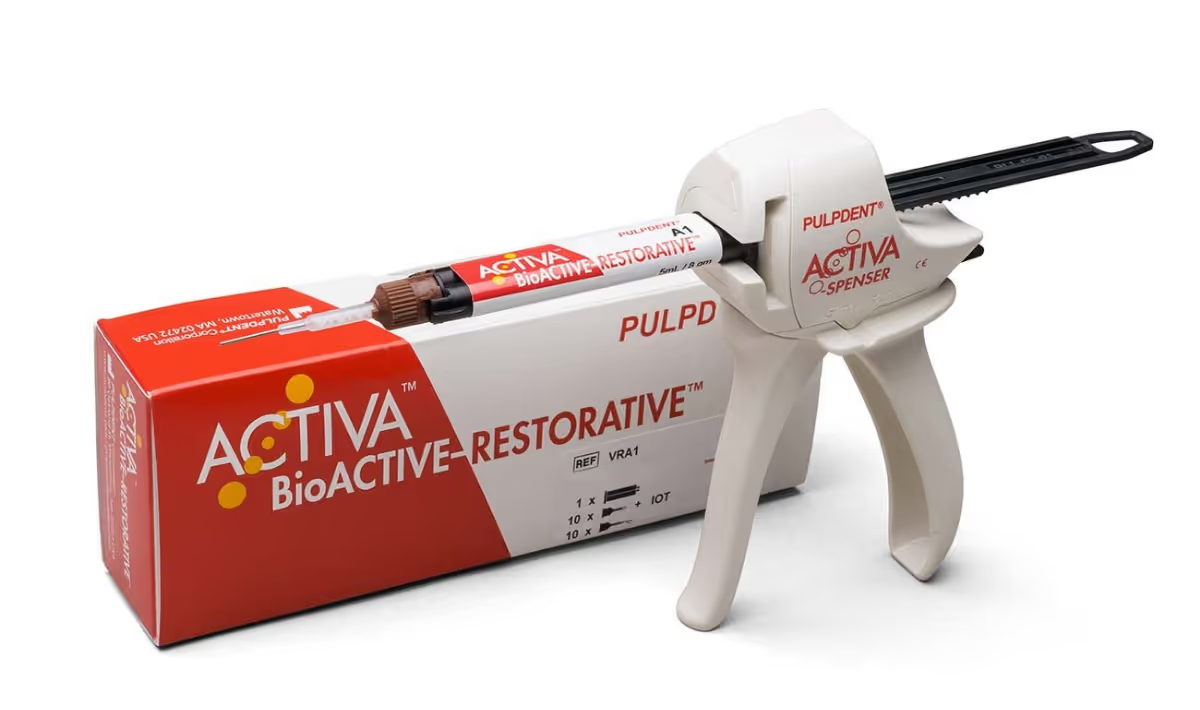
Dentists would like to do more Bulk Fill procedures, but traditional composite materials present a number of concerns. Unpolymerized resin and the heat generated by light curing bulk fill materials can irritate the pulp and cause sensitivity. Condensing and layering traditional bulk fill composites can result in gaps and voids. Chipping and cracking at the margins and on occlusal surfaces is a common occurrence due to the brittle nature of traditional materials. Research shows that bonding agents degrade over time resulting in microleakage, staining, and restoration failure. ACTIVA solves these problems. ACTIVA is dual cure, which ensures depth of cure. Its self-cure mode reduces the exothermic reaction and polymerization stresses, and eliminates sensitivity caused by excessive heat and unpolymerized resin. The ACTIVA injection technique eliminates voids common with heavy body composites. Place the mix tip at the floor of the cavity, keep the tip submerged in the material, and allow the material to flow ahead of the tip. This technique back fills the cavity, and together with ACTIVAs intimate adaptation to tooth structure and very low shrinkage, it yields a monolithic restoration without voids or marginal gaps. Independent studies indicate that ACTIVA is tougher and more fracture resistant than all other direct restorative materials. ACTIVAs patented rubberized-resin component resists wear, fracture and chipping. University testing shows that ACTIVAs compressive strength is comparable to the leading composites and far superior to glass ionomers and RMGIs. ACTIVAs self-adhesive properties eliminate the need for bonding agents in retentive cavity preparations. However, if retention form in the cavity prep is not sufficient, a bonding agent is recommended. A one-year clinical performance report from The Dental Advisor gives ACTIVA BioACTIVE-RESTORATIVE a 5-plus (+++++) rating. Ninety-six restorations recalled after one year were rated for lack of postoperative sensitivity, esthetics, resistance to fracture and chipping, resistance to marginal discoloration, wear resistance and retention. ACTIVA received a 98% clinical performance rating. While traditional composites are passive in nature and have no bioactive potential, bioactive materials play a dynamic role in the mouth. They are moisture friendly and react to pH changes in the oral environment to help fortify and recharge the ionic properties of saliva, teeth and the material itself. ACTIVA releases and recharges calcium, phosphate and fluoride. It stimulates apatite formation at the material-tooth interface. This natural remineralization/regenerative process knits the material and the tooth together, penetrates and fills micro-gaps, guards against secondary caries, and seals margins against microleakage and failure. This bioactive difference supports a prevention model and helps maintain the health of the dentition. Editors note: Sponsored by Pulpdent

Share this post