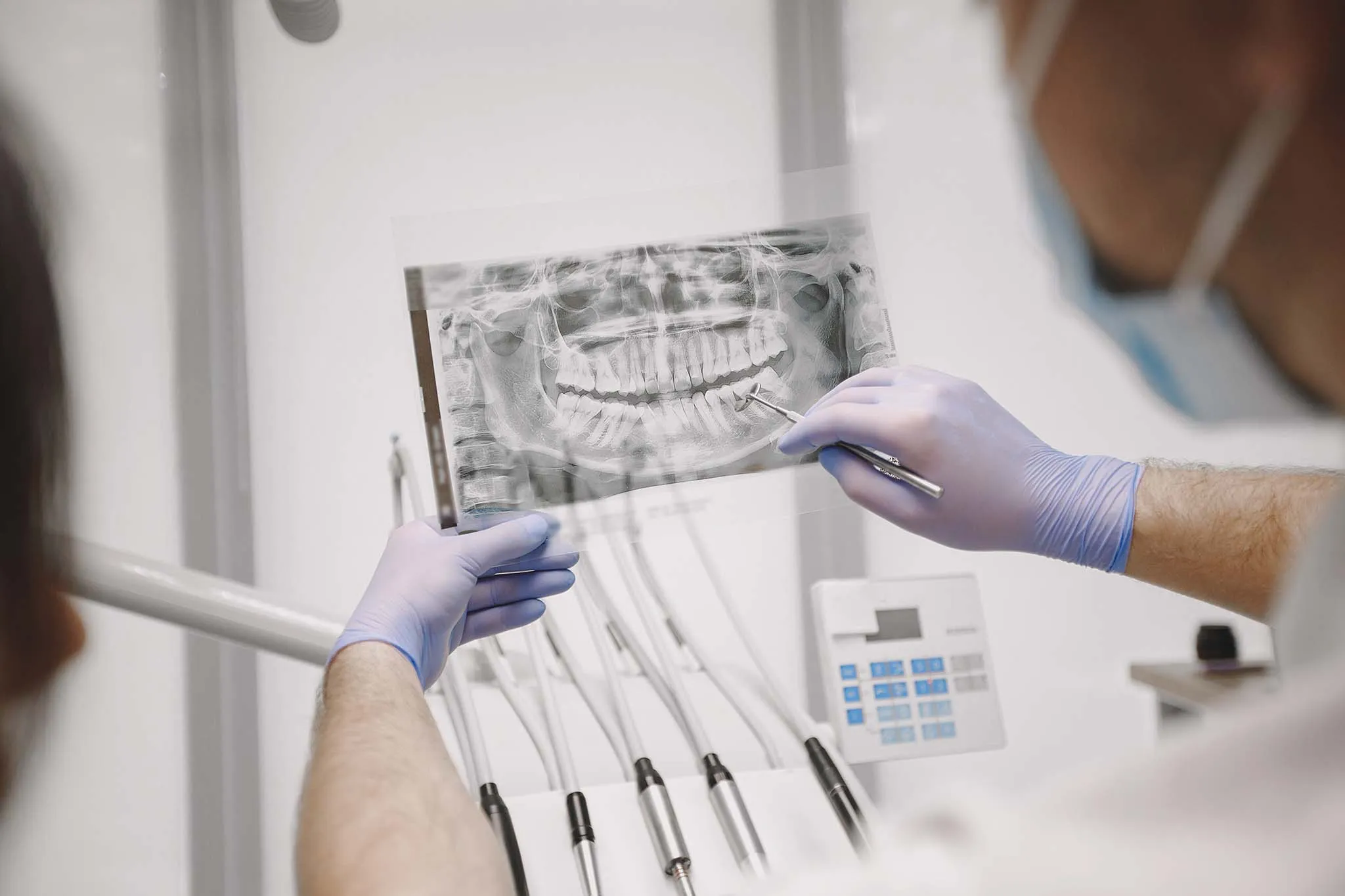
Advanced technology, together with experience and a measure of sensitivity, enable pedodontists to provide the best possible care for their young patients. For pediatric dentists, patient care can be a fine balance between treating a childs oral health and creating a safe, welcoming environment. The recommended age for a childs first dental visit has dropped from three years to 12 months in recent years, making it more important than ever before for pedodontists to determine a treatment plan tailored to each patients needs. Indeed, pedodontists must approach their patients with a unique level of clinical experience that enables them to manage each childs behavior while also assessing his or her growth and development. It is important that we meet each child to determine his or her needs for behavioral management, and put together a treatment plan that best suits that child, says Kim Hansford, DMD, a pediatric dentist at Middletown, Kentucky-based Kid's Dentistree, a Mortenson Dental Partners partner. We see ourselves as primary care providers, much like pediatricians. Our goal is to provide a dental home for each child. The battle against tooth decay Pediatric healthcare can be frustrating, both for parents who wish for immediate results for their children, and clinicians who are always in a position to deliver. Dental caries is still the most prevalent childhood disease we see, even in our affluent society, says Hansford. Most peoples diet includes processed foods, with lots of refined carbohydrates, she points out. Even crackers break down on the teeth into simple sugars, which can cause decay. Parents become frustrated, she continues. They feel they are doing everything they can to protect their childs teeth, but to no avail, she notes. While good nutrition helps children avoid tooth decay, there often are overlooked culprits that impact oral health. Medications are a prime example, she points out. A liquid allergy medicine taken every night by a child has sugar in it, she says. Gummy vitamins are made with sugar and stick to the teeth. Grazing or snacking - and not letting the mouth have time in between snacks or drinks to normalize - can place children at high risk, due to repeated exposure. It is my job to provide parents with the tools they need to avoid these easy traps, and teach them to care for their childs teeth at home. Exceptional technology Unfortunately, there is no magic bullet for treating children, says Hansford, noting she makes a point to put herself in these parents shoes and be sensitive to their expectations. That said, pedodontists today have some exceptional technology at their disposal for treating patients, she adds. For many years, nitrous oxide has proved itself invaluable in many dental settings, but particularly in pediatric practices. Nitrous oxide sedation continues to be the safest and most predictable way to provide an easier experience for most children, says Hansford. We use it for patients of all ages; it can make or break a child's experience under the right circumstances. She advises dental professionals against using the term sedation too freely. There are a number of options for pediatric patients, and the pedodontist can determine the best method for each patient. Some children may do great in a pediatric dental setting without any additional medications, she points out. Equipment such as digital imaging/radiographs are another must-have for pedodontists. Developments in digital imaging greatly reduce children's exposure to radiation while delivering excellent clinical X-rays, she explains. We make a commitment to image gently in our office. Without radiographs, pedodontists cannot determine an exact number of cavities, she adds. Hidden interproximal decay can be a big surprise to parents! Hands-free dental vacuum suction and isolation systems have totally changed the way I practice pediatric dentistry, says Hansford. In the past 20 years, this technology has allowed pedodontists to provide treatment on one whole side of the mouth safely and comfortably, with less local anesthetic than in the past when we relied more on rubber dam isolation. Dental materials have also come far, allowing pedodontists to provide more esthetic options, in more instances than in the past. Glass ionomer restorations in children provide fluoride release, good esthetics and are more tolerant in moist environments, where perfect isolation may not be achieved. General public awareness of the importance of early evaluation is key in helping children get established in a dental home and hopefully lowering their risks of oral health issues, Hansford continues. Children may always have caries, she adds. But, with new treatments like silver diamine fluoride as an adjunct therapy to delay treatment, or decrease need in times where it may not be practical due to the patients medical status or very young age, pediatric dental practices should have greater opportunity to take a preventive stance to oral healthcare.

Share this post