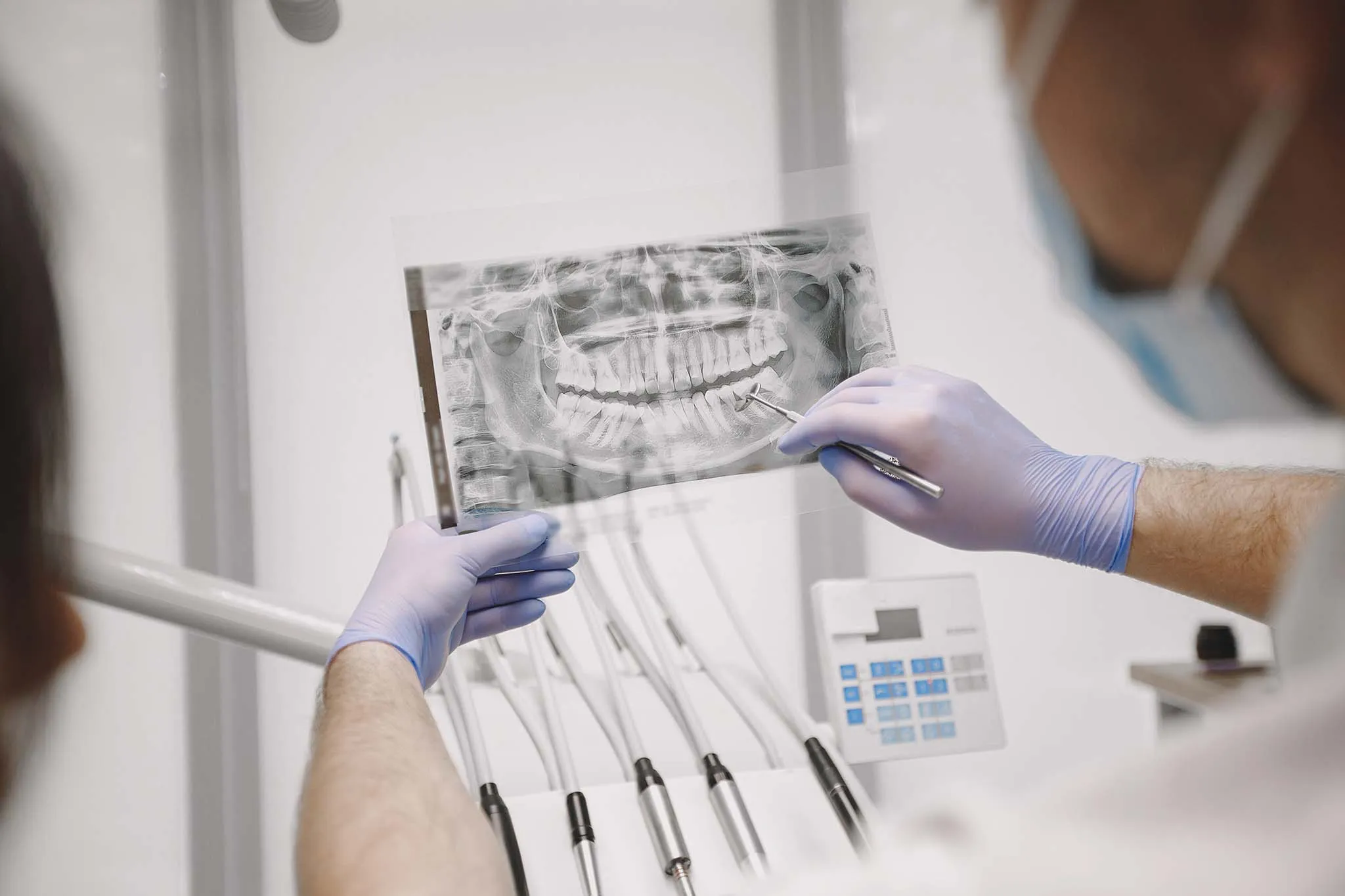
By Dr. Sami Bahri We hold people accountable for executing our policies, but even well-intentioned employees can make a mistake or omit a step. If we blame and threaten them when that happens, they might panic, and even sugar coat the truth to protect their employment. Thats when we cry foul. We call it lying, we call it unforgivable. If this behavior continues, you can guess that relationships between employee and manager might deteriorate beyond repair. That is certainly not what we expect from our management systems and our leadership style. Thankfully, there is a solution: blame systems, not people. Why systems? In his book, Out of the Crisis, Dr. W. Edwards Deming attributes mistakes to the management system in 94 percent of the cases and to various factors, including but not limited to employee performance, in six percent of the cases. Consequently, when a mistake happens, wouldnt it make more sense to try to fix the system (the 94 percent) instead of blaming the employee? A specialist in my area had created clear policies in his practice and trained specific team members to execute them. His policy states that, at the implant consultation appointment, the treatment coordinator should get the patients commitment to pay in full at the next appointment, before the start of implant surgery. This policy had been followed for years with very few problems. Then one day, things got complicated. The treatment coordinator asked the dentist to authorize a payment plan for a patient who had just received two implants. We do not make payment plans he answered, Hadnt you informed her that she needed to pay in full before the surgery? Yes! she answered. Then how come you allowed for the surgery to start without a payment? To that, she had no answer. Suspecting that she was not telling him the whole story, he asked her to accompany him to the patient room. Did anyone inform you that you needed to pay in full before we start the surgery? he asked the patient. No, she said. The specialists doubts were now confirmed. He notified the treatment coordinator that he would take charge personally of the situation from that point on. Her feelings hurt, the treatment coordinator decided to find another job. The specialist asked me what I thought of the situation. It bothered him, more than the mistake itself, that his treatment coordinator lied about it. This lady has served you well in the last ten years. Do you really want to see her go? I asked. I would hate to see her go, he admitted, but how can we resolve this issue first? Subhead: Preventing mistakes from becoming defects Mistakes are human, according to Shigeo Shingos terminology. Ultimately, we will not be able to completely stop them. However, if we allow a mistake to enter the system, it becomes a defect. Mistake-proofing means placing obstacles at different points of the work flow that prevent mistakes from becoming defects. In this case, if the treatment coordinator asks the scheduling coordinator to make an appointment for a patient who has not explicitly agreed to pay in full before surgery, her request is called a mistake. As long as the appointment is not made, no harm is done. If the appointment is made, however, it means that the mistake has now entered to treatment flow; it becomes a defect. To prevent the mistake from becoming a defect, the specialist decided to give a commitment paper, signed by the patient, to the appointment coordinator before she can make an appointment. A second step in the sequence of treatment that could lead to defects is the moment the specialist is called to start the surgery. Again, if we call him to the room without making sure that the patient has already paid, it would be called a mistake. If he starts the surgery, it becomes a defect. A mistake has little harm on our operations; a defect causes harm. Placing an implant before a patient pays is not a clinical defect, but a managerial one. To prevent it from happening, the specialist decided that he would require to see a copy of the payment receipt before starting the surgery. To increase productivity while preserving good relationships, we must embrace the idea that problems are systemic. We should not blame people for a system flaw; isnt that what created friction between two well-intentioned people, the specialist and his treatment coordinator? We need to go backward a few steps, look at the flow of work and see at what points the mistakes happened. You might be thinking that you already make sure that treatment plans are signed by the patient before you start any work. But this article is about focusing on systems instead of people; mentioning that we need a signed treatment plan is just a way to make the point. Mistakes happen mainly at handoff points. To prevent them from entering the system we need to go back to those handoff points and create checkpoints; preferably tangible like a piece of paper, and visual, so we can control them without additional effort. In todays digital world, I have found that the possibilities for creating visible checkpoints are endless. However, in many cases, I find that when it comes to visual signal, a colored piece of paper can be more effective than a computer software.

Share this post