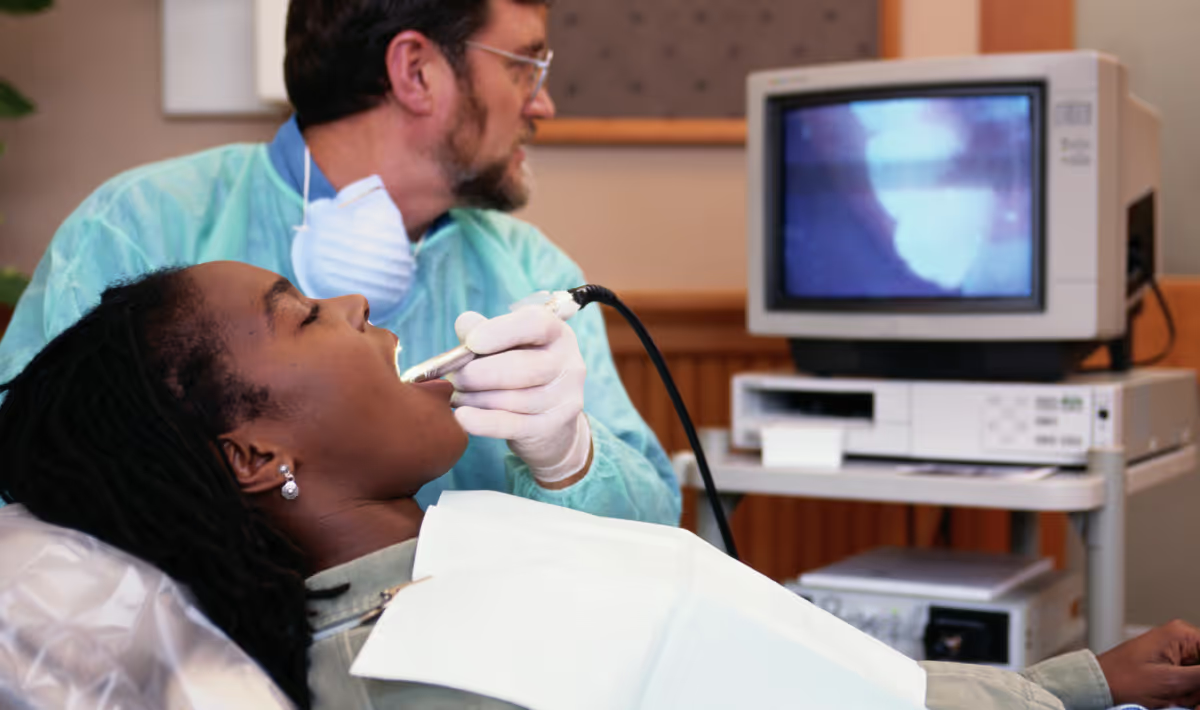
CAD/CAM technology continues to evolve as a game-changer in clinical and cosmetic/esthetic dentistry, turning the heads of practitioners and patients alike. The appeal of CAD/CAM dentistry (computer-aided design and computer-aided manufacturing) starts with the ability to create long-lasting, beautiful restorations chairside - in a single appointment. Its this patient experience, Patterson Dental CAD/CAM Marketing Manager Rich Lake says, that is driving demand for CAD/CAM solutions like Sironas CEREC restoration system to the tune of more than 14,000 CEREC users in the United States alone. Its no secret that more and more patients prefer white, natural-looking restorations over amalgam, Lake says. Dentists are realizing that being able to provide this service to patients in one visit is a powerful thing. Their patients not only love it, they are becoming the best word-of-mouth marketing a practice can ask for. The components of CEREC technology, which is pushing almost 30 years of continual developments, offer the flexibility to fit individual preferences, as well as the efficiency goals for any size practice. Doctors can decide what level they want to take their CEREC to, from single-unit restorations like partial and full crowns, inlays, onlays and veneers, to bridges, custom abutments/implants and even full mouth reconstructions. The dentist uses the acquisition camera to take a digital impression of the prepared tooth. After capturing the image, the dentist or the dental assistant uses the CEREC software to design the restoration. This design data is then sent wirelessly to a separate milling machine, which uses burs to fabricate a block of material into the restoration, exactly how it appears on the screen. The block materials available today, which are the same materials used by dental labs, come in a wide variety of types, sizes and shades to fit any clinical situation. A crown, for example, takes about six minutes, at which point it is ready to be polished or stained and glazed and then bonded in the mouth. From start to finish, it only takes about an hour for the tooth to be completely restored, with no temporary or return visit needed - an attractive process and end result for growing practices and their busy patients.

Share this post